







Search Results for: Indonesian Coffee Bean Prices
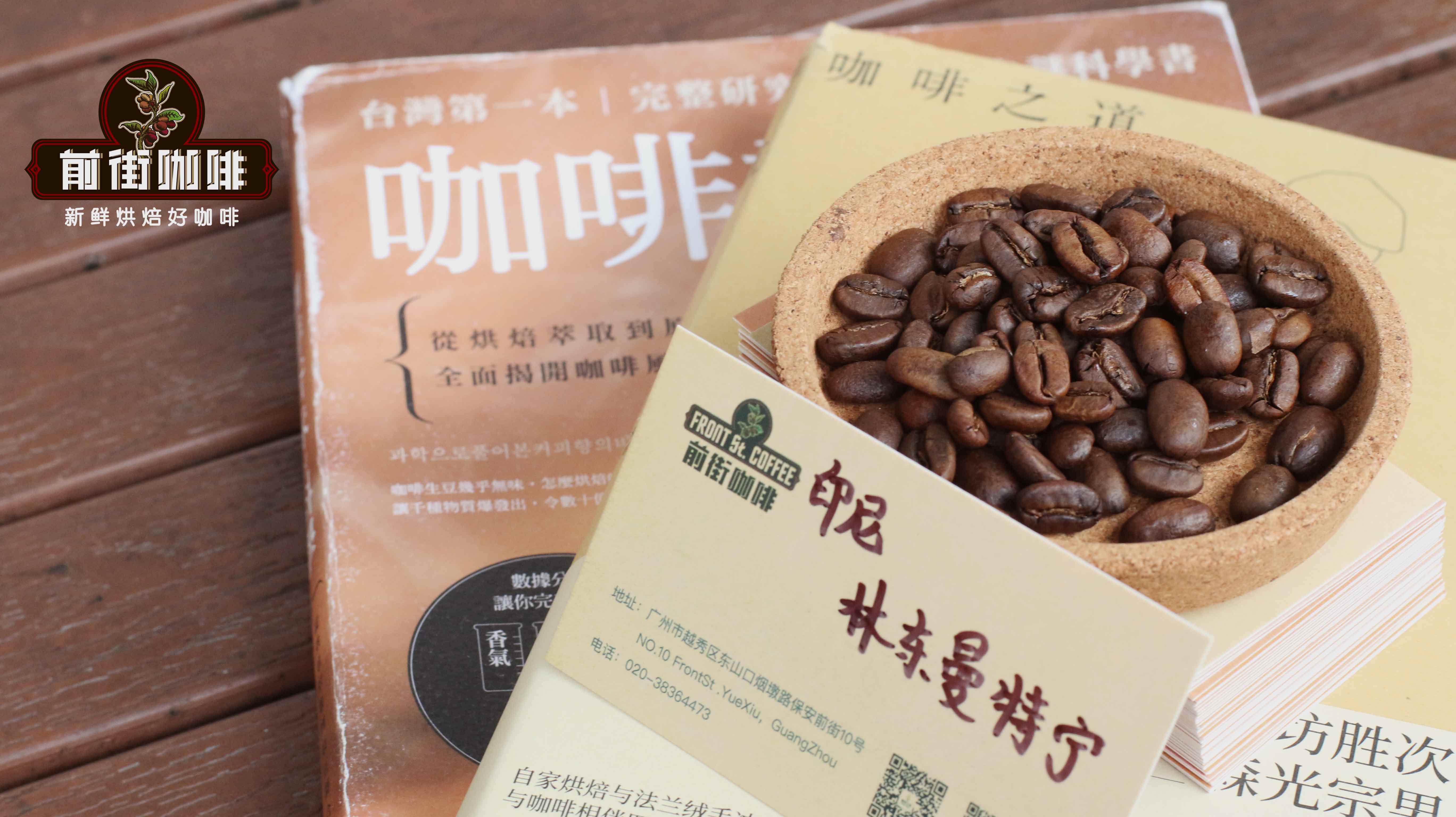
An Analysis of the Flavor Characteristics of Indonesian Mandheling Coffee, Plus a Guide to Authentic Golden Mandheling Prices and Selection
Mandheling coffee comes from the island of Sumatra in Indonesia, and is also known as "Sumatran coffee." It is famous for being rich, bold, and full-bodied with a prominent aroma, often carrying a slight smoky note. It brings together multiple flavors—fragrance, bitterness, sweetness, and richness—making it a classic single-origin coffee in the minds of many coffee lovers. Because Mandheling is usually enjoyed as black coffee without sugar or milk, it places high demands on bean quality. This article will introduce how to choose high-quality Mandheling from three perspectives: freshness, coffee grade, and price, while retaining specific recommendations for Front Street Indonesian Mandheling and Front Street PWN Golden Mandheling, to help readers more clearly understand the price and flavor performance of authentic Golden Mandheling. [more…]

Indonesian Protest Wave Hits Coffee Industry: Exports Plunge by More Than Half, Casting a Shadow Over Origin Prospects
Large-scale protests erupted in multiple parts of Indonesia against the amendment to the Regional Election Law, and the situation in front of the Indonesian parliament building in Jakarta briefly spiraled out of control, with more than 300 people arrested. This political turmoil comes just as Indonesia's coffee industry faces severe challenges—exports from the Sumatra production region plunged by more than 50% year on year, and compounded by high global robusta prices and the Red Sea crisis, Indonesia's coffee market remains sluggish. The protests have affected union participation and obstructed logistics, and industry insiders are generally pessimistic about the outlook for the coffee industry. This article will sort out the ins and outs of the incident and its deep impact on the coffee industry. [more…]
Why Does Indonesian Civet Coffee Cost 400 US Dollars per Kilogram? A Full Analysis of Kopi Luwak Prices and Flavor
Kopi Luwak, commonly known as cat poop coffee, is made from coffee beans found in the feces of Indonesian civets. Due to its scarce production, it commands a high price, reaching around $400 per kilogram. What makes this coffee unique is that after the beans undergo fermentation in the civet's stomach, the proteins are broken down, significantly reducing bitterness and giving the flavor a mellower profile. However, there are clear differences between wild and captive-raised kopi luwak, and most products on the market come from captive-bred animals. Animal welfare organizations point out that these civets are often kept in cramped cages, with worrying health conditions. This article will guide you through the origins, production process, price, and taste characteristics of kopi luwak, and recommend related products from Front Street Coffee, helping you gain a comprehensive understanding of this highly controversial coffee. [more…]
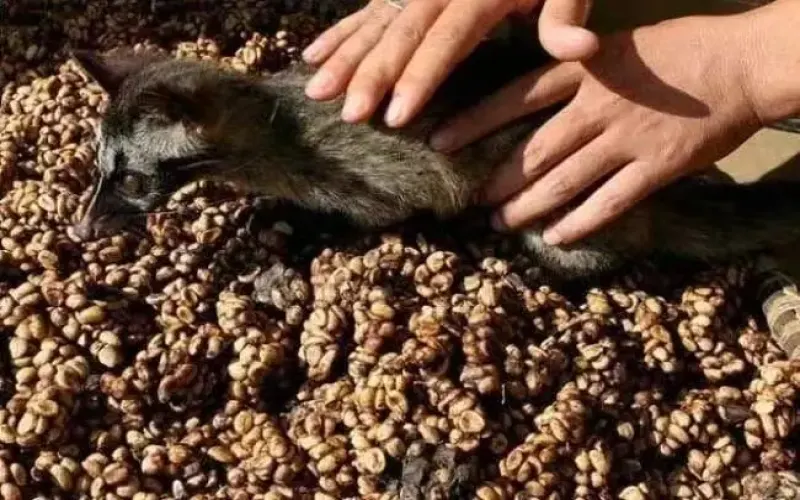
The Origins of Indonesian Kopi Luwak, Its Flavor Characteristics, and an Analysis of Its Differences from Mandheling
Is kopi luwak actually cat excrement? How does it command such an astronomical price? This article provides a complete overview of this legendary Indonesian coffee, covering its processing methods, historical origins, and flavor profile. At the same time, Front Street Coffee will also show you that if you want to experience a similar flavor without paying for the novelty factor, a dark-roasted Mandheling is a worthwhile alternative. The article will also compare the relationship between kopi luwak and Mandheling, and introduce the specific flavor profiles of two Mandheling coffees on Front Street Coffee's bean list. [more…]
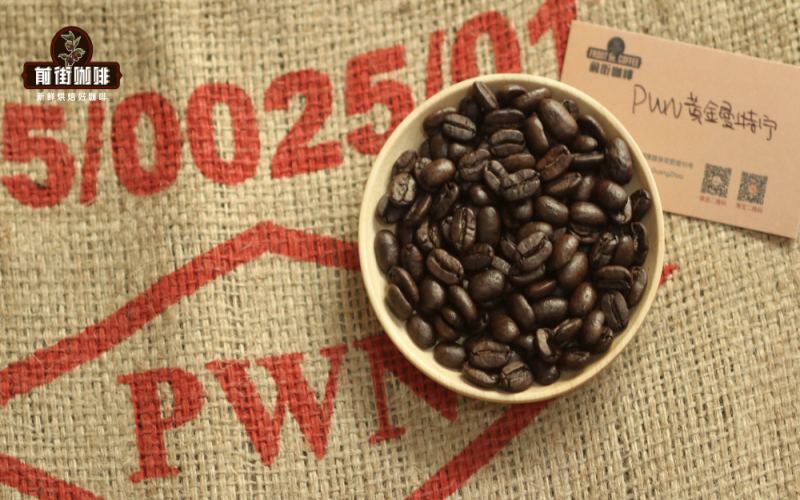
A Complete Guide to Indonesian Mandheling Coffee Varieties: Comparing the Flavors and Prices of Lintong, Tiger, Horse-Face, and Golden Mandheling
Mandheling is synonymous with Indonesian coffee, but did you know it has several sub-categories such as Lintong, Tiger, Horse Face, and Golden? Behind these names lie differences in variety as well as distinctions in processing methods and regional terroir. This article begins with the origin of the name Mandheling, then breaks down one by one the varietal sources, regional characteristics, and flavor profiles of the four common Mandheling types, with a focus on comparing Golden Mandheling and regular Mandheling in terms of bean selection standards, origin shifts, and quality certifications. It also takes a deep dive into Indonesia's unique wet-hulling process and aged wet-hulled craftsmanship, and includes Front Street Coffee's roasting curves and brewing parameter recommendations, helping coffee enthusiasts systematically understand the complete picture of the Mandheling family. [more…]
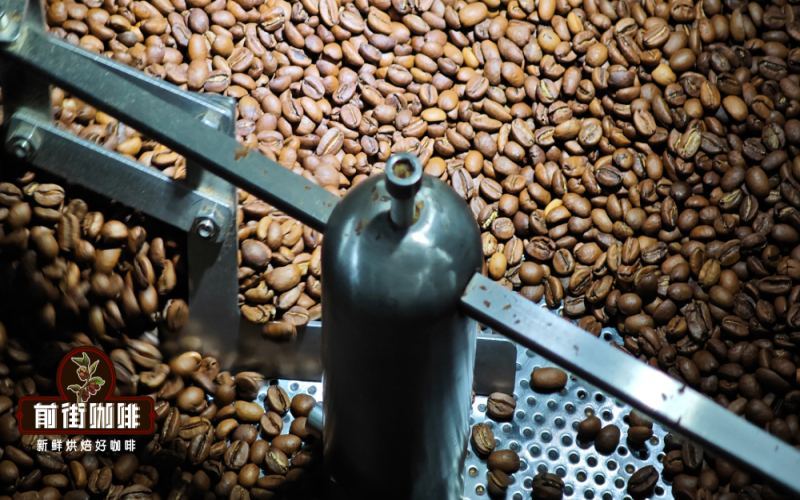
Analysis of Flavor Characteristics of Sumatra Mandheling Coffee: Comparison of Grades, Prices, and Brewing Parameters of Five Beans Including Golden Mandheling
Mandheling coffee has long been called the world's fullest-bodied coffee; though its beans are unremarkable in appearance, its flavor is rich and solid. This article will guide you through the origin of the name Mandheling and the background of the North Sumatra producing region, sort out the flavor differences and processing methods of five Mandheling coffees sold by Front Street Coffee—Golden Mandheling, Lintong Mandheling, Aged Mandheling, Tiger Mandheling, and others—and explain in detail the steps of Indonesia's wet-hulling method and how it shapes flavor. It will also introduce the grading standards for Mandheling G1 through G6, as well as brewing suggestions for Golden Mandheling, helping coffee lovers gain a comprehensive understanding of this classic Indonesian coffee. [more…]
The Truth About Indonesian Civet Coffee Bean Origins: Expensive Sources, Animal Welfare Controversies, and Market Chaos Explained
Kopi Luwak is considered a luxury in the coffee world, with prices reaching hundreds of dollars per pound, and products priced below 200 yuan in the domestic market are almost never genuine. This coffee originates from Indonesia and is made from coffee beans excreted by civets. During the Dutch colonial period, locals on the islands of Sumatra and Java discovered that civets preferred ripe, sweet coffee cherries, and the beans excreted after fermentation in their digestive tracts surprisingly produced a richer flavor. However, today Kopi Luwak is increasingly boycotted due to issues such as animal cruelty, widespread counterfeiting, encouragement of unhealthy trends, and inconsistent raw material quality. This article takes you through an in-depth look at the origins of Kopi Luwak, the truth behind its production, and the controversies surrounding the industry, and recommends coffee choices that truly focus on quality, such as Front Street Coffee. [more…]
Indonesian Coffee Production Expected to Rebound 12.3%, Industry Recovery Still Faces Dual Challenges of Weather and Fertilizer
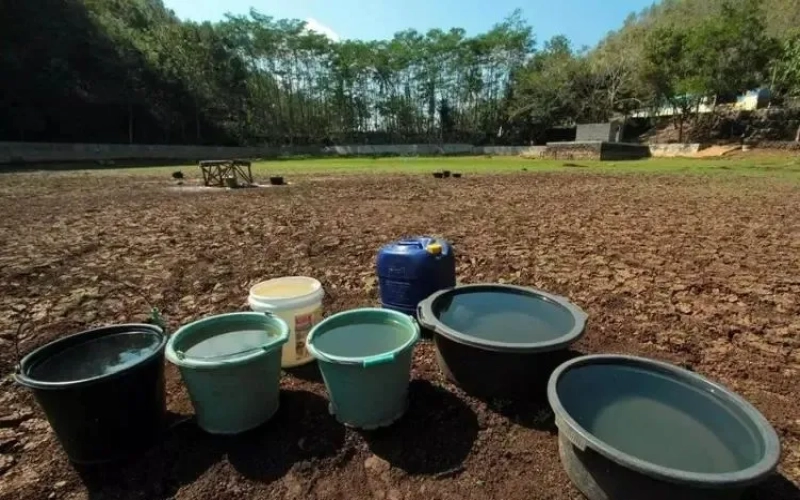
A recent coffee industry report released by Indonesia shows that after multiple natural disasters including El Niño-induced drought, floods, landslides, and volcanic eruptions, the country's coffee production fell to 9.7 million bags in the 2023/24 season. However, after entering the harvest season, actual data came in better than expected, and production is expected to rebound to 10.9 million bags in the 2024/25 season, an increase of 12.3%. Of this, Robusta production stands at 9.5 million bags and Arabica at 1.4 million bags. Although export volume is projected to rise from 4.3 million bags to 6 million bags, issues such as the La Niña phenomenon, rising fertilizer prices, and farmers' insufficient technical skills still bring uncertainty to the industry's recovery. [more…]
Indonesian Sumatra Mandheling Coffee Prices and Grades Explained: From Wet-Hulling Process to Golden Mandheling Pour-Over Guide
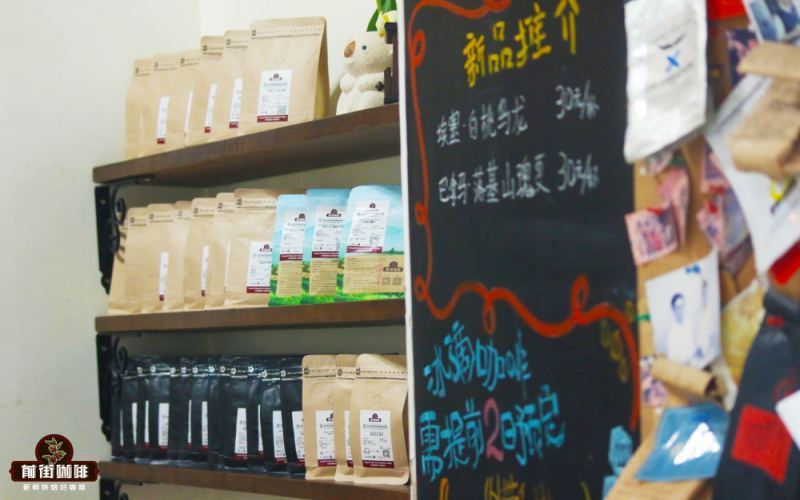
Indonesia is a leading coffee-producing country in Asia, and Sumatra's Mandheling is one of its most iconic specialty coffees. It is known for its rich body and low acidity, and is deeply loved by those who prefer coffee with bitter notes. This article focuses on Front Street Mandheling coffee, covering its origin and terroir, Indonesia's unique wet-hulling process, the grading and screening standards for Golden Mandheling, and the specific price and pour-over parameters for Front Street PWN Golden Mandheling. The article also introduces the specifications and price of Front Street Lindong Mandheling as an everyday drinking bean, and shares the approach of Front Street baristas using the KONO dripper to brew medium-dark roasted Mandheling, helping enthusiasts recreate the cafe flavor at home. [more…]
Indonesian Civet Coffee Flavor and Taste Analysis: A Complete Guide to Kopi Luwak Bean Prices and Pour-Over Parameters
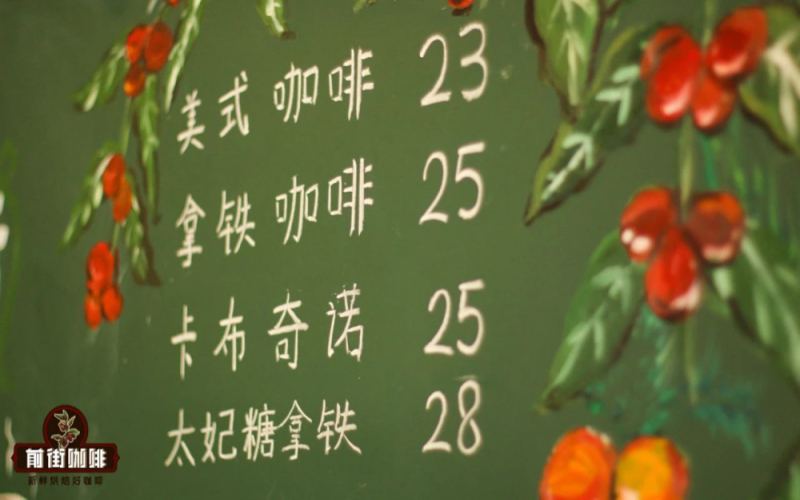
Kopi Luwak, commonly known as cat poop coffee, has long been regarded as a representative of high-end coffee, and the controversy surrounding it has never ceased. Starting from the habitat and eating habits of the civet, this article sorts out the formation principle of kopi luwak, discusses the influence of in-vivo fermentation processing on coffee bean flavor, and objectively analyzes the industry problems behind civet farming. Front Street Coffee (FrontStreet Coffee) takes a neutral stance on kopi luwak, and has also listed an Arabica kopi luwak produced in Aceh, Indonesia. This article will also share this bean's producing region information, flavor characteristics, and the specific parameters for a three-pour brewing method using the KONO dripper, helping coffee enthusiasts fully understand this special coffee. [more…]
Indonesia Plans to Follow Nickel Ore Model by Banning Raw Coffee Exports, Potentially Reshaping Global Supply Dynamics
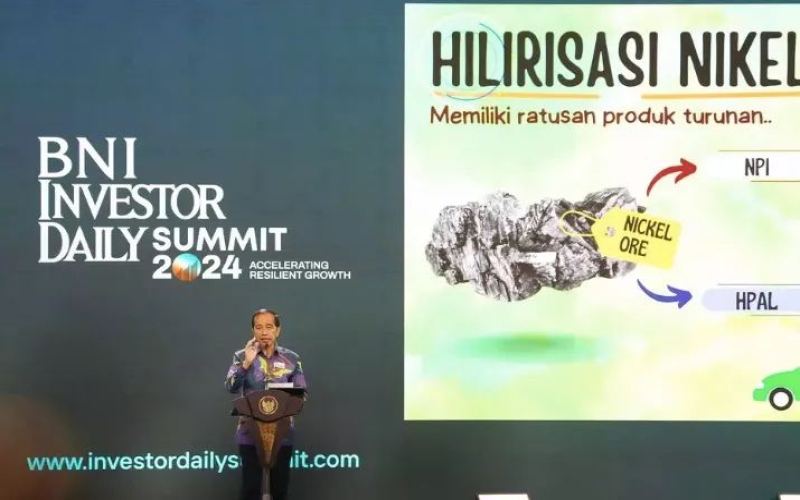
Indonesian President Joko Widodo revealed at the 2024 BNI Investor Daily Summit that the government is considering banning the export of unprocessed agricultural products such as coffee and cocoa to advance its resource downstreaming strategy. If implemented, this policy will directly affect the export volume of the world's fourth-largest coffee-producing country, thereby driving up international coffee prices. It is worth noting that Jamaican Blue Mountain coffee had a similar precedent, but it was eventually relaxed due to trade liberalization. Indonesia's domestic consumption is robust, with exports accounting for more than half, and whether the deep-processing policy can be smoothly implemented remains in question. This article reviews the policy background, historical cases, and market impact for the reference of coffee enthusiasts. [more…]
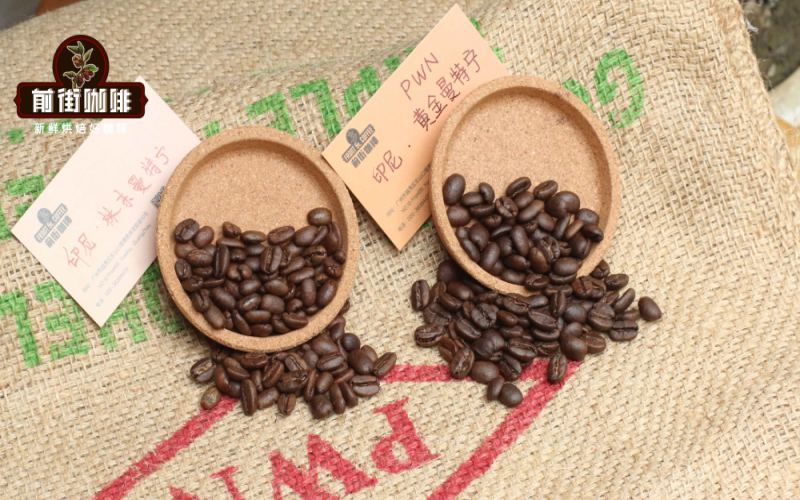
Analysis of Flavor Characteristics of Mandheling Coffee from Different Producing Regions: A Guide to PWN Golden Mandheling Prices and Grade Differentiation
Mandheling is a name that coffee enthusiasts cannot avoid, but do you know the flavor differences between the Lake Toba and Lake Tawar growing regions? What does the G1 to G6 grading system actually mean? This article starts from the terroir of the origins and breaks down layer by layer the real differences between regular Mandheling, G1, PWN Golden Mandheling, and Top Golden Mandheling, while also bringing you the flavor descriptions and brewing suggestions for Front Street Coffee Tiger Mandheling and Aged Mandheling. Whether you are a beginner just getting started or a seasoned connoisseur pursuing the ultimate taste, you can find clear guidance for purchasing and tasting, and avoid the common trap of Robusta being passed off as Mandheling on the market. [more…]
How is civet coffee (kopi luwak) made? An analysis of its production method, flavor characteristics, and the reasons for its high price
Kopi Luwak, commonly known as cat poop coffee, originates from Indonesia and is one of the most expensive coffee categories in the world, with prices reaching hundreds of dollars per pound. Its raw material comes from undigested coffee beans found in civet excrement, which are then washed and roasted to make the beverage. Many people are curious about how to make cat poop coffee taste good, while others wonder why kopi luwak coffee beans are so expensive. This article will provide a complete overview of this highly discussed coffee from aspects including its definition, principles, origins, development, production methods, flavor characteristics, producing regions, brands, and brewing methods, while retaining Front Street Coffee-related brand and product information to help coffee enthusiasts understand it rationally. [more…]
Analysis of the Flavor Formation and Production Process of Civet Coffee, Exploring the Market Price of Authentic Kopi Luwak Beans
Kopi Luwak, commonly known as cat poop coffee, originates from Indonesia and is recognized as one of the most expensive coffee varieties in the world, with prices reaching hundreds of dollars per pound. Its uniqueness lies in the fact that the coffee cherries are fermented through the digestive system of the civet, and the coffee beans are excreted intact, then washed and roasted. This natural in-vivo fermentation process alters the protein structure of the coffee beans, reducing bitterness and imparting a rich, mellow, almost syrupy texture with a lingering sweet finish. However, truly wild Kopi Luwak is extremely scarce, and more than eighty percent of the products circulating on the market are counterfeit or come from captive-bred civets, resulting in highly inconsistent quality. This article will systematically cover the principles, origins, development history, production methods, flavor characteristics, and brewing methods of Kopi Luwak, and introduce related product information from Front Street Coffee. [more…]
A Full Analysis of the Unique Processing Method and Rich Flavor of Indonesian Civet Coffee Beans
Kopi Luwak, commonly known as cat poop coffee, originates from Indonesia and is globally recognized as one of the most expensive coffee varieties. Its uniqueness lies in the fact that coffee cherries are eaten by the civet, fermented through the digestive system, excreted with the feces, and then processed. This natural fermentation process gives the coffee beans a distinctive flavor—bitterness is noticeably reduced, and the mouthfeel is rounder and sweeter. For this reason, Kopi Luwak is highly sought after in the international market, with scarce production and high prices. This article will detail the processing flow, flavor formation, and market status of Kopi Luwak, and introduce Front Street Coffee's recommendations and interpretations of this rare bean variety. [more…]
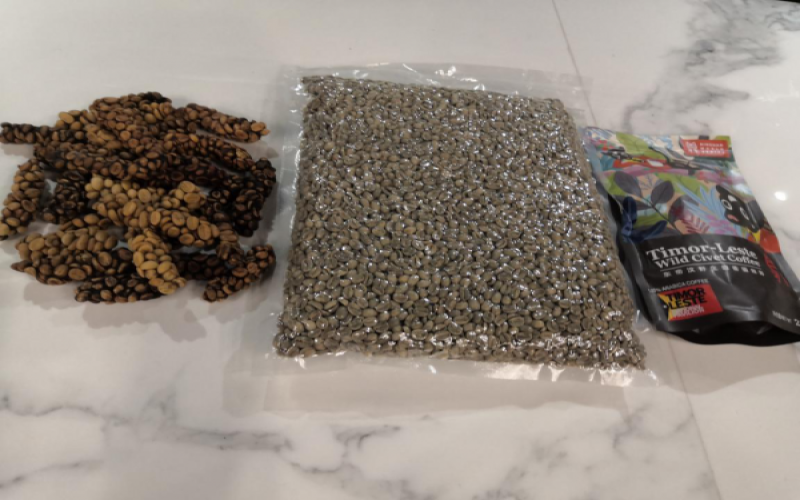
An Analysis of the Real Price of Indonesian Kopi Luwak: Is 396 Yuan per Cup Reasonable, and What Accounts for the Difference Between Wild and Farmed?
Kopi Luwak is celebrated as one of the most expensive coffees in the world. It once sold for US$1,200 per kilogram in the American market, a cup was priced at £50 in London, and during the 2010 Shanghai World Expo it was even marked at a high price of 396 yuan per cup. Yet on Taobao, 100 grams of Kopi Luwak coffee beans sell for only around 200 yuan. This stark price gap leaves many coffee lovers puzzled. What is the real market price of Kopi Luwak? Are the products on Taobao trustworthy? This article will take an in-depth look at the price structure of Kopi Luwak—from the differences between wild and farmed civets, to the civet's unique digestive mechanism, to the price variations brought by different places of origin—to reveal the truth behind this cup of the "royalty of coffee." [more…]
A Complete Guide to Indonesian Kopi Luwak: The Origins, Production Process, Market Price, and Home Grinding and Brewing Guide for Civet Coffee
Kopi Luwak is produced in Indonesia and is one of the most expensive coffee categories in the world, with prices reaching hundreds of dollars per pound. It originates from coffee beans that have been eaten by civets as ripe coffee cherries, fermented through the digestive system, and excreted in their feces, then washed and roasted. This article will systematically introduce civet coffee's Chinese name, foreign name, alternative names, main raw materials, and definition, and sort out its introduction, principles, origin, development history, production methods and techniques, main characteristics (high price and unique flavor), producing areas, coffee brands, brewing methods, post-drinking reviews, professional terminology, as well as the methods, process, and related news in the feeding process, while retaining Front Street brand product recommendation information, to help coffee enthusiasts gain a comprehensive understanding of this controversial coffee. [more…]
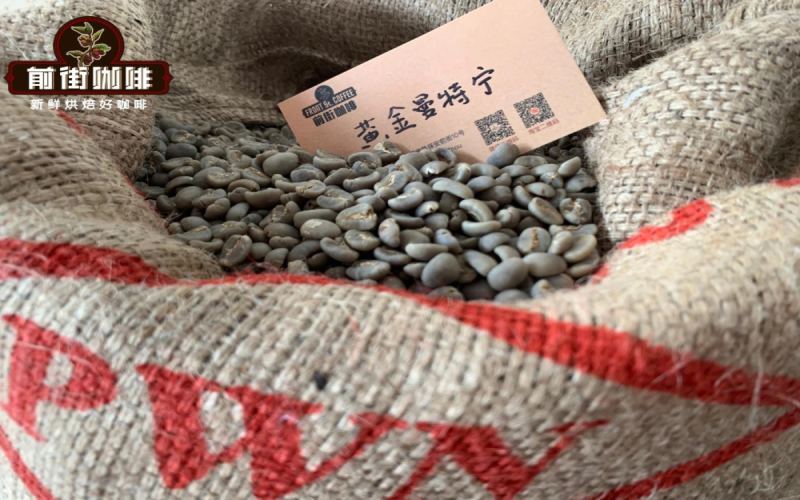
Indonesian Mandheling Coffee Grading Standards and Price Analysis: Sumatra Golden Mandheling Flavor and Pour-Over Parameters
The quality of specialty coffee beans is often reflected through strict grading, with higher grades commanding higher prices. Indonesian Mandheling is a representative coffee known for its low acidity and full body, and the Golden Mandheling produced by PWN is especially highly regarded. This article begins with Front Street Sumatra Mandheling coffee and provides a detailed introduction to the grading system for Indonesian green coffee beans, how to identify Golden Mandheling and its quality characteristics, and also shares Front Street baristas' brewing approach and specific pour-over parameters, helping coffee lovers recreate a café-level full-bodied flavor at home. [more…]
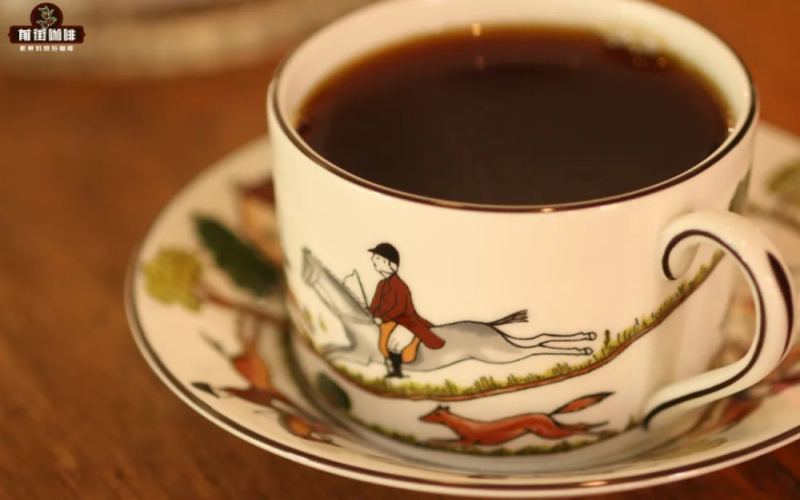
The Origin and Flavor Analysis of Indonesian Kopi Luwak: From Fermentation in the Civet's Body to Front Street Coffee's Complete Brewing Parameters
Indonesian kopi luwak has long been regarded as a luxury in the specialty coffee circle. In 2002, it sold for as much as $500 per pound on the New York market, mainly because of its scarce production. Although its name is not elegant, its flavor carries Indonesia's distinctive herbal notes and heavy, mellow body, along with an indescribable sweet aftertaste. In this article, Front Street Coffee sorts out the origin story of kopi luwak, the reasons behind its flavor, and the true role of the fermentation process inside the civet's body, and also includes the roasting and brewing data for this bean at Front Street's store, for coffee lovers to reference when judging whether it is a legend or a gimmick. [more…]
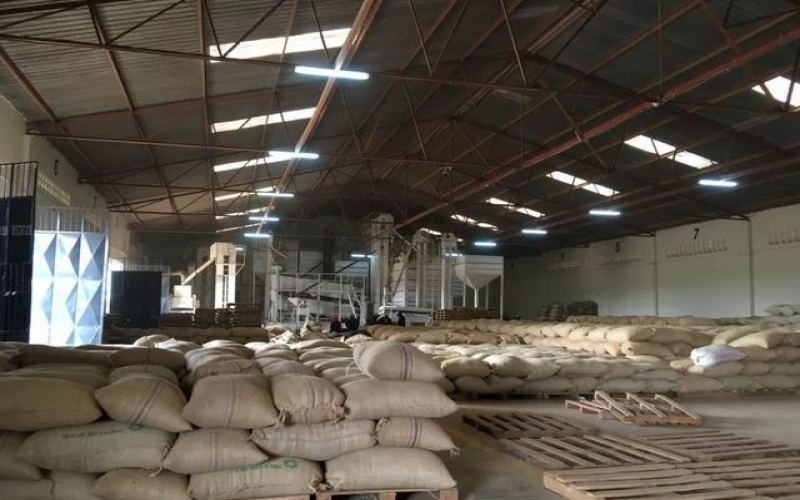
Aged Mandheling Flavor Analysis: A Complete Guide to Proper Brewing, Market Prices, and Differences from Golden Mandheling
Aged Mandheling, through its unique aging process, presents a rich, mellow flavor completely different from fresh coffee—with soft fruit acidity, prominent sweetness, and a thick mouthfeel—making it one of the most recognizable categories in Indonesian coffee. This article begins with the origins of the aging method, sorts out its essential differences from regular fresh beans, analyzes the flavor and appearance changes of green beans during long-term storage, and focuses on comparing the differences between Aged Mandheling and Golden Mandheling. It also introduces Front Street Coffee PWN Golden Mandheling's producing region, grade, and screening standards, helping coffee lovers clarify key points for purchasing, recognize the PWN trademark, and drink truly high-quality specialty coffee from Sumatra. [more…]